-
In the evocative streets of Belfast and Beirut, a determined journalist seeks to unravel the enigmatic tapestry of lost memories, woven into the fabric of time and place. With each step, she carries a mysterious machine, a relic that seems to pulse with latent power, threatening to unearth truths long buried beneath the surface of collective consciousness.
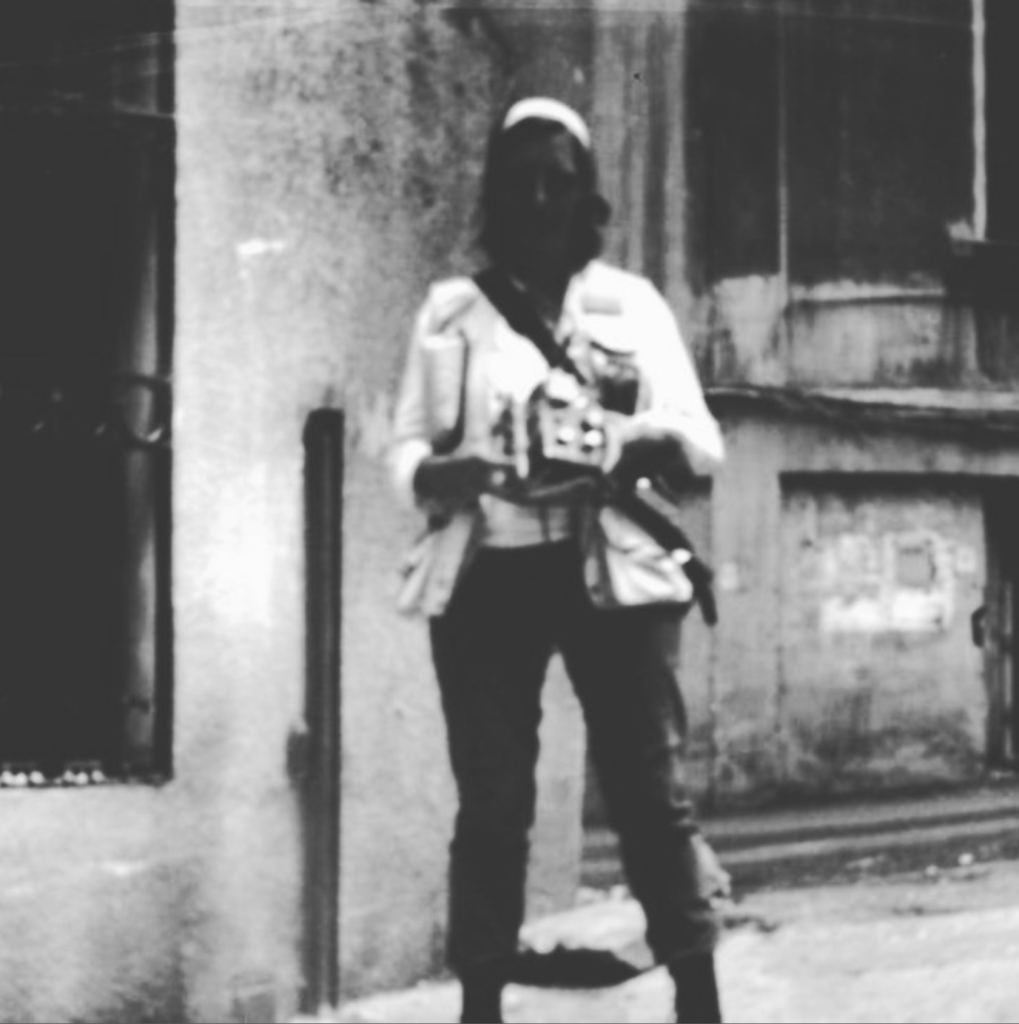
The protagonist ‘Journalist’, in real life Emily DeDakis’ father was a Washington Correspondent. Here she is in her father’s studio as a girl. Beirut and Belfast were often viewed as the same sort of places by
the American media’s gaze, their complexities and nuances often lost amidst oversimplified narratives.
We had to redact and censor some of the interviews undertaken in Beirut for the safety of participants and as the living reality of that country shifted post October 7th. We filmed in Beirut exactly one month before
these events and even then, a palpable sense of uncertainty hangs in the air, hinting at the profound impact of the events that would soon reshape the city and its people’s lives.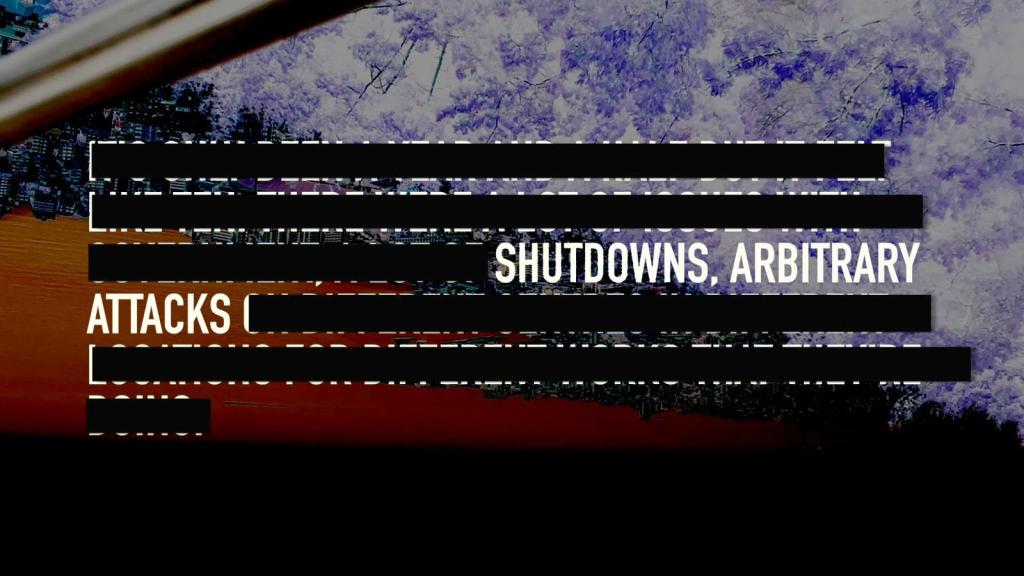
Coco was a Grey African parrot, belonging to the BBC correspondent Chris Drake, who sat in the lobby of the Commodore in Beirut.
Coco was able to whistle the Marseillaise, the opening bars of Beethoven’s 5th symphony and could imitate the incoming sound of shells.
Coco was abducted in 1987.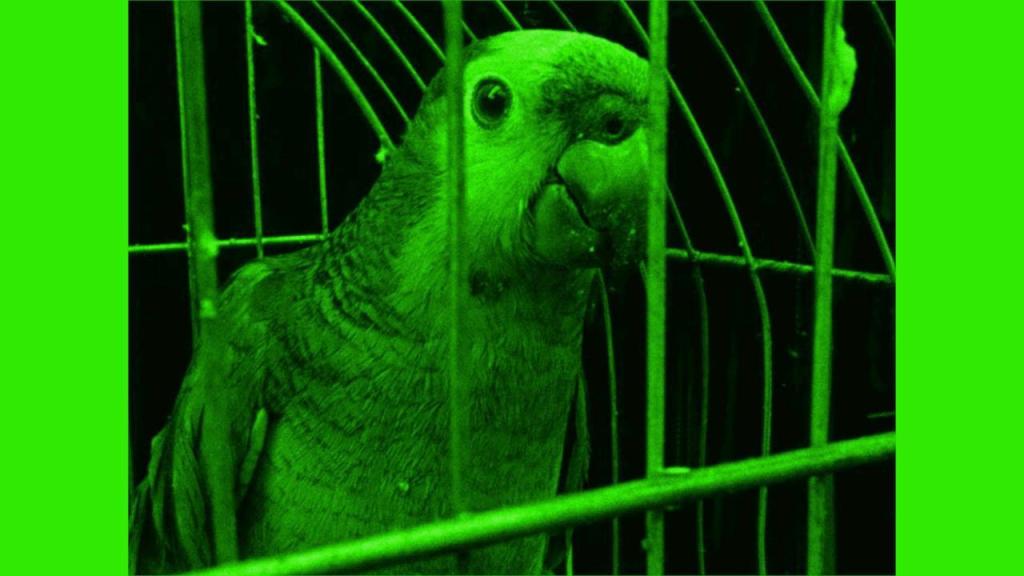
On a journalist’s seventeenth evacuation from the Europa Hotel in Belfast, Harper Brown would present a commemorative tie.

Synopsis:

In ‘to the wire,’ a seasoned conflict journalist navigates the haunting alleyways of Belfast and the labyrinthine streets of Beirut, delving into their shared past. Unraveling forgotten memories and buried traumas, the film blurs the boundaries between these cities, revealing their intertwined histories. Through archival footage and original material, it explores the profound influence of ritual and environment on the human psyche. Inspired by historic hotels and sonic warfare, it reflects on storytelling and collective memory. Amid industrial music and occult whispers, the journalist confronts unsettling truths, while real-life events in Lebanon underscore the fragility of our world.

Embracing improvisation and experimental film making techniques, the film creates a visceral and immersive experience. These methods allow for a spontaneous and raw portrayal of the journalist’s journey, echoing the unpredictability of war and memory. Conversations with local artists transcend time, challenging viewers to confront the echoes of history shaping our lives, as the improvisational approach highlights the serendipitous and often chaotic nature of uncovering hidden truths, particularly those shaped by the lingering shadows of colonialism.
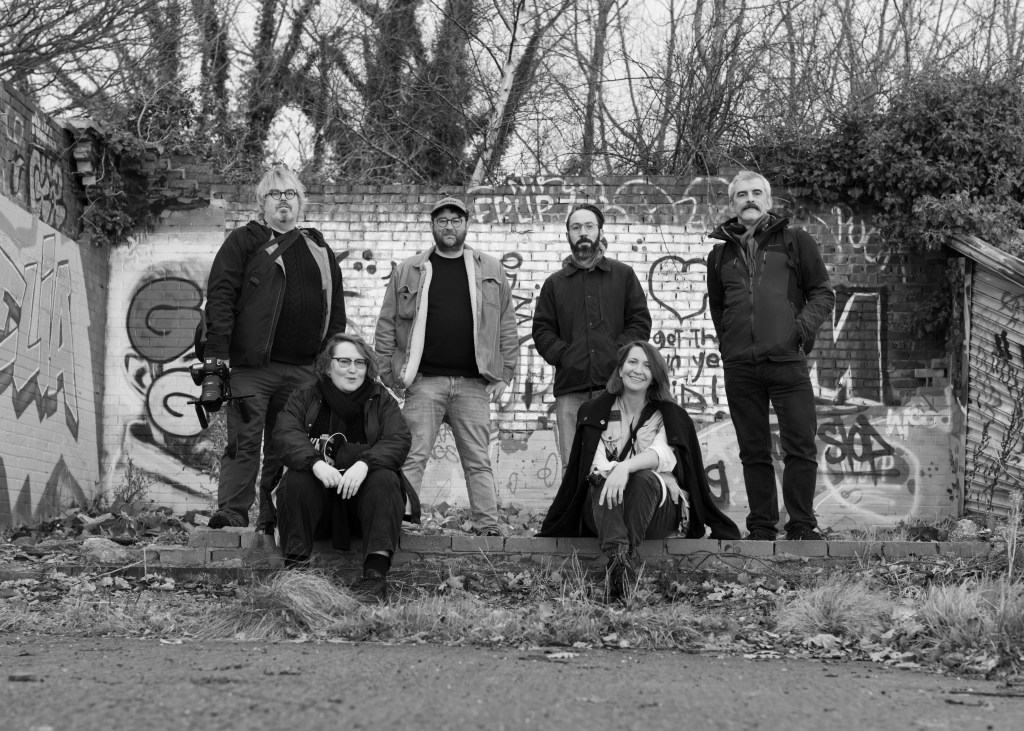
Artist Bios
Dawn Richardson, is an influential artist, director, and producer based in Belfast. Celebrated as a pivotal cultural instigator, she has spent the past decade collaborating with prestigious arts organisations and practitioners. Her multidisciplinary work, inspired by postmodern philosophy and the enduring legacy of her upbringing, underscores art’s transformative power to transcend boundaries and effect change. Through ‘Hosta Projects,’ Richardson uses art as a tool for societal upheaval, illuminating the human experience and fostering understanding and empathy. Her interests lie in the experimental and unchartered. Her work is held in collections internationally.
Chad Alexander, is an artist whose work explores themes of conflict, class, and everyday life. His art delves into the relationship between built environments and the communities inhabiting them, reflecting on the friction between place and identity. With a focus on urban spaces, Alexander examines their impact on social contexts, mental health, and the body. His work, spanning locations like Belfast, Sarajevo, The Hague and Beirut, probes the aftermath of conflict on individuals, including himself. Through photography, he unravels personal concerns and coping mechanisms amidst trauma. Currently, he explores masculinity within Northern Ireland’s historical context, exhibiting internationally and being collected by esteemed institutions.
Emily De Dakis, is a writer and dramaturg originally from the southeastern USA and now based in north Belfast. Holding MA and PhD degrees in Creative Writing from Queen’s University Belfast’s Seamus Heaney Centre, she mentors emerging playwrights with Fighting Words NI. Emily’s versatile writing has graced various platforms, including Dead Housekeeping, Ulster Tatler, and BBC radio. Noteworthy recent works include “The Party Party” at The MAC and “Because Swiping Made My Grandson Stop Believing in Love” on BBC Radio 4. Collaborating with sound artists in experimental music collectives like No Hevdem and HIVE Choir, Emily creates captivating multimedia experiences that transcend traditional boundaries.
Barry Joseph Cullen, is a maker and music producer who blends withered technologies and found materials with hi-fi audio and graphics to create innovative work. Utilising DIY instruments and combining DIY methods with new tech approaches, he employs appropriation and physical remixing to explore the connections between traditions. His work delves into the relationships between people, places, and objects, presenting questions and answers that address these connections in thought-provoking ways.
Paul Doran, is a writer, critic, and filmmaker from Belfast, known for his prose fiction, essays, reviews, and stage works. Currently an Artist in Residence for NIMHAF, he is working on the All Flesh is Grass trilogy for Hosta Projects. Doran’s work focuses on the invention of mythologies and their place in our belief systems.
Jonathan Brennan, is a multi-disciplinary artist specialising in printmaking, painting, photography, moving image, text, and sound. His work explores architectural, urban, and traditional landscapes, focusing on neglected and abandoned spaces. Brennan’s art encourages viewers to see the everyday with fresh eyes and consider the forces shaping our perceptions. He is currently working on an ACNI Artist Career Enhancement Scheme Award project with NI Screen and The Strand Arts Centre, integrating archive film with new work. His creations are held in both public and private collections.
With deep gratitude to Beirut Print Workshop, Dongola Publishing, Beirut Synth Centre, Zoukak Theatre, Dar al Mussawir, Chadi Abou Zeid, Azadeh Sobout, Abou Elie Pub, British Council Northern Ireland, British Council Lebanon, and to those we cannot name for reasons of safety.
As artist practitioners we continue to stand in solidarity with the people of Palestine and Lebanon and appeal for an unconditional and permanent ceasefire.
We unequivocally condemn all forms of islamophobia, antisemitism, and racism.
to the wire is a production of Hosta Projects. Supported by the Baring Foundation, NI Screen Digital Film Archive, Belfast Film Festival, Belfast Exposed and Film Hub NI allocating funds on behalf of BFI.
-
Subscribe
Subscribed
Already have a WordPress.com account? Log in now.
 to the wire